
3 Days of Belgium - Day 2 preview
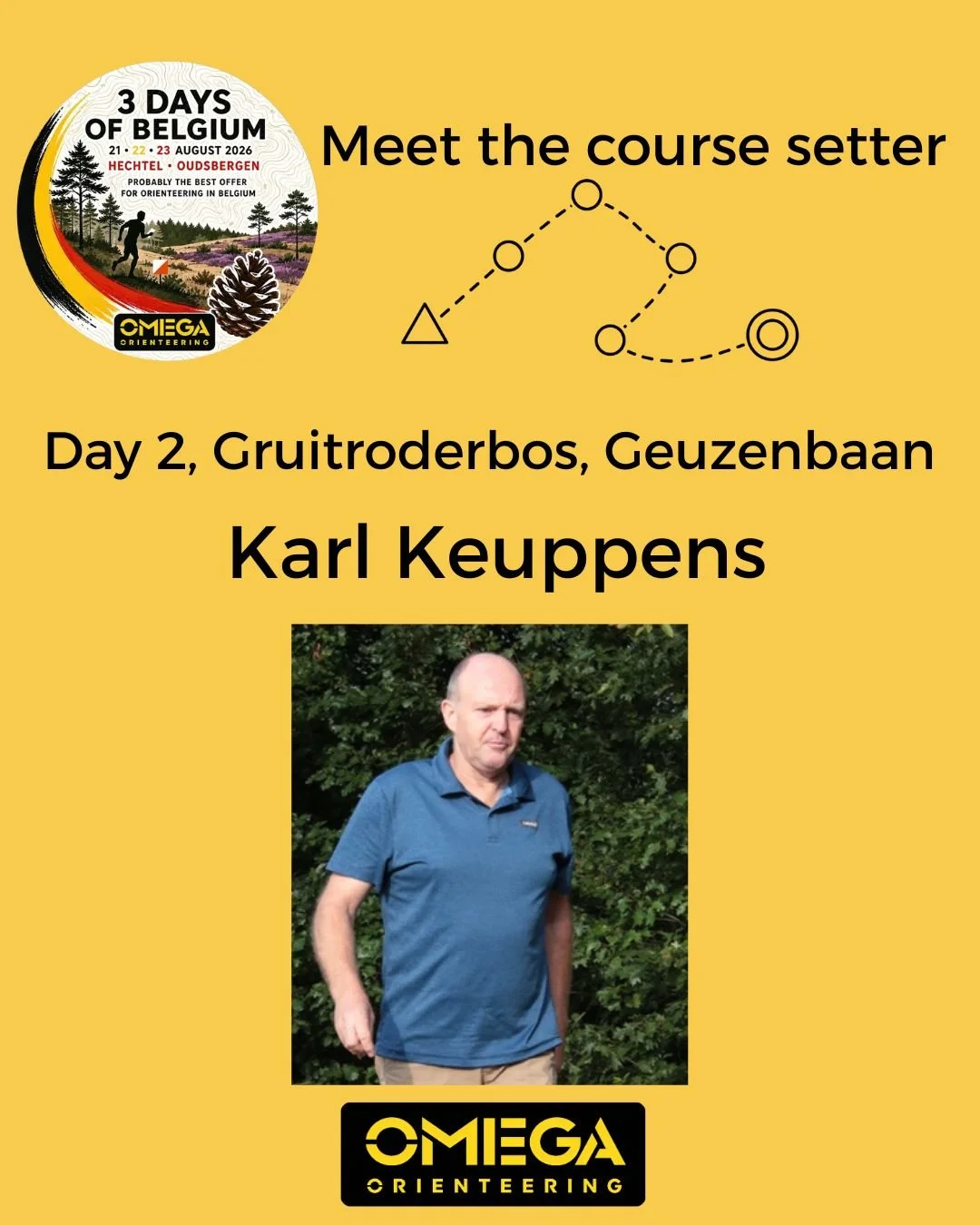
What was the biggest challenge when setting the courses?
The biggest challenge was to make the most of the two most technical areas and make them decisive for the final result.
But of course, the key factor of a good orienteering course also had to be taken into account: creating a highly technical, yet fair course, where luck plays as little a role as possible.
Where is there a risk of losing time?
The biggest risk is entering the most technical areas with too much confidence and becoming a little too casual, causing you to lose map contact.
If you could give the participants one tip before the start, what would it be?
Adapt your running speed to the terrain. Also adjust your speed to your own orienteering skills, so you can maintain good map contact in the more difficult areas.
When are you satisfied with your course setting afterwards?
I’ll be happy with my course if the runners tell me that they always had to find the feature first before they could see the control. I think that’s a very important element of a good orienteering course.
And as a compliment, it would be great to hear that the physically faster runners weren’t always the ones with the advantage, but that the technically strong orienteers also had plenty of opportunities to shine.
I wish you all the very best of luck on one of the most beautiful and challenging orienteering terrains in Belgium!